Growing an AI literacy community from zero, with €0 paid spend
How we built Human Future Hub through consistency, partnerships and automated measurement.
- €0
- paid spend
- 0 → 525
- LinkedIn followers
- 250
- newsletter subscribers
- 85%
- in-person show-up
- 4.96 / 5
- event rating, 38 ratings
- 3
- partner organisations
My role
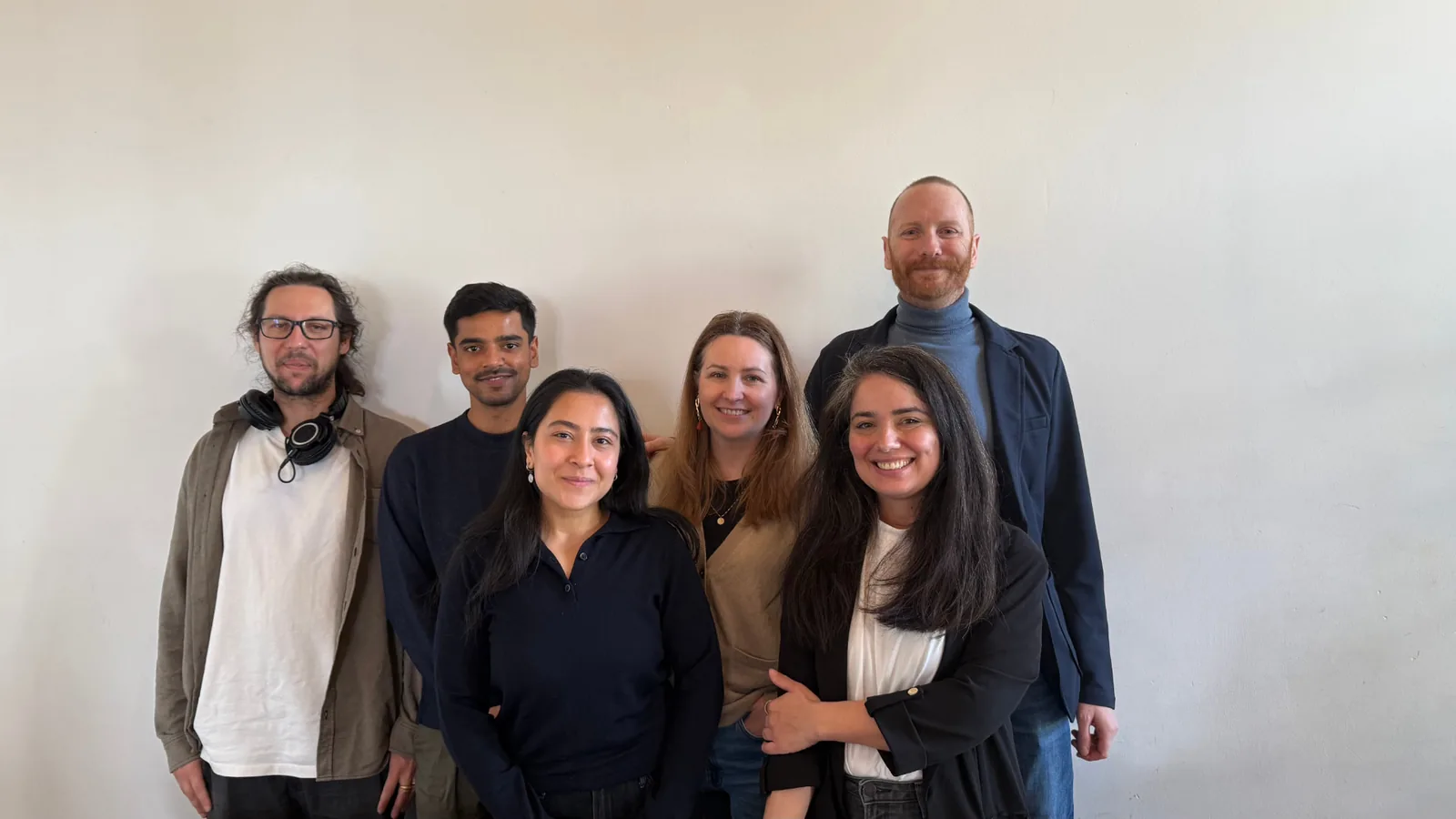
Co-founder, leading strategy, brand and partnerships, in a small, distributed, volunteer-run team.
Context
Most of the AI conversation is about companies: productivity, adoption, competitive advantage. Much less of it is about the people on the receiving end — the support agent whose team was halved, the parent who doesn't know what their child tells a chatbot at midnight, the teacher expected to handle AI in the classroom without any training. We founded Human Future Hub to serve those people. The mission fits in four words: nobody is left behind. That mission came with hard constraints: no budget, so every follower, subscriber and attendee had to be earned organically; a core team of volunteers giving a few hours a week each, across several countries; an audience that, almost by definition, doesn't follow AI news; and anxious audiences who don't respond to hype — we had to be credible before we could be visible.
The challenge
Earn attention and trust for AI literacy with no paid budget, volunteer time only, and an audience that is the hardest to reach.
A channel ecosystem, not a channel list
Instead of trying to be everywhere, I mapped each channel to one job in the member journey.
- Discovery. LinkedIn, Instagram and Meetup bring new people in.
- Depth. Substack and our LinkedIn newsletter carry the long-form thinking that social posts can't.
- Belonging. In-person and online events turn followers into a community.
- Every piece of content points to the next step. A post leads to a newsletter, and a newsletter leads to an event.
Consistency over cleverness
- For the first nine months, we posted whenever we had something to say. It took until May 2026 to reach 100 LinkedIn followers.
- In May we committed to a consistent posting cadence. Weekly post impressions went from typically under 200 to between 500 and 1,600. The next 150 followers arrived in about four weeks.
- In July we added HFH Digest, a weekly LinkedIn newsletter. It has published every week since launch: 11 editions so far.
Events as the retention engine
- 13 events across Berlin, Munich and online. Community town halls, a session on job hunting in the age of AI, a book club, and debates on questions such as what happens when AI becomes the author.
- In-person formats earned much stronger commitment. 85% of registered guests turned up, compared with 64% for online sessions. Attendees rated our events 4.96 out of 5 across 38 ratings.
- Event pages reached beyond our home base. Berlin accounts for about half the traffic, followed by London and Munich. Around 70% of visits came through Luma's own discovery and our website.
Partnerships to reach people our channels can't
Some of the people who need us most will never find us on LinkedIn. So I built partnerships with three organisations in Munich, including DFV and JUNO.
- Educate the Educator. AI literacy workshops for teachers and parents, delivered through partner organisations.
- Programmes for migrant women. AI literacy and job-search sessions, typically with 10–15 participants in the room.
Measurement on autopilot
In a volunteer team, manual reporting is the first thing to get skipped. Every week, someone had to open each channel, copy the numbers and work out whether our efforts were paying off.
- I designed an automated analytics pipeline. n8n pulls data from six platforms — LinkedIn, Instagram, YouTube, Substack, Meetup and Luma — into a Supabase database, which feeds a single dashboard.
- It saves around 1.5–2 hours a week. Roughly one volunteer's entire weekly commitment. More importantly, our weekly meetings now start from trends instead of anecdotes.
DisruptHR Berlin
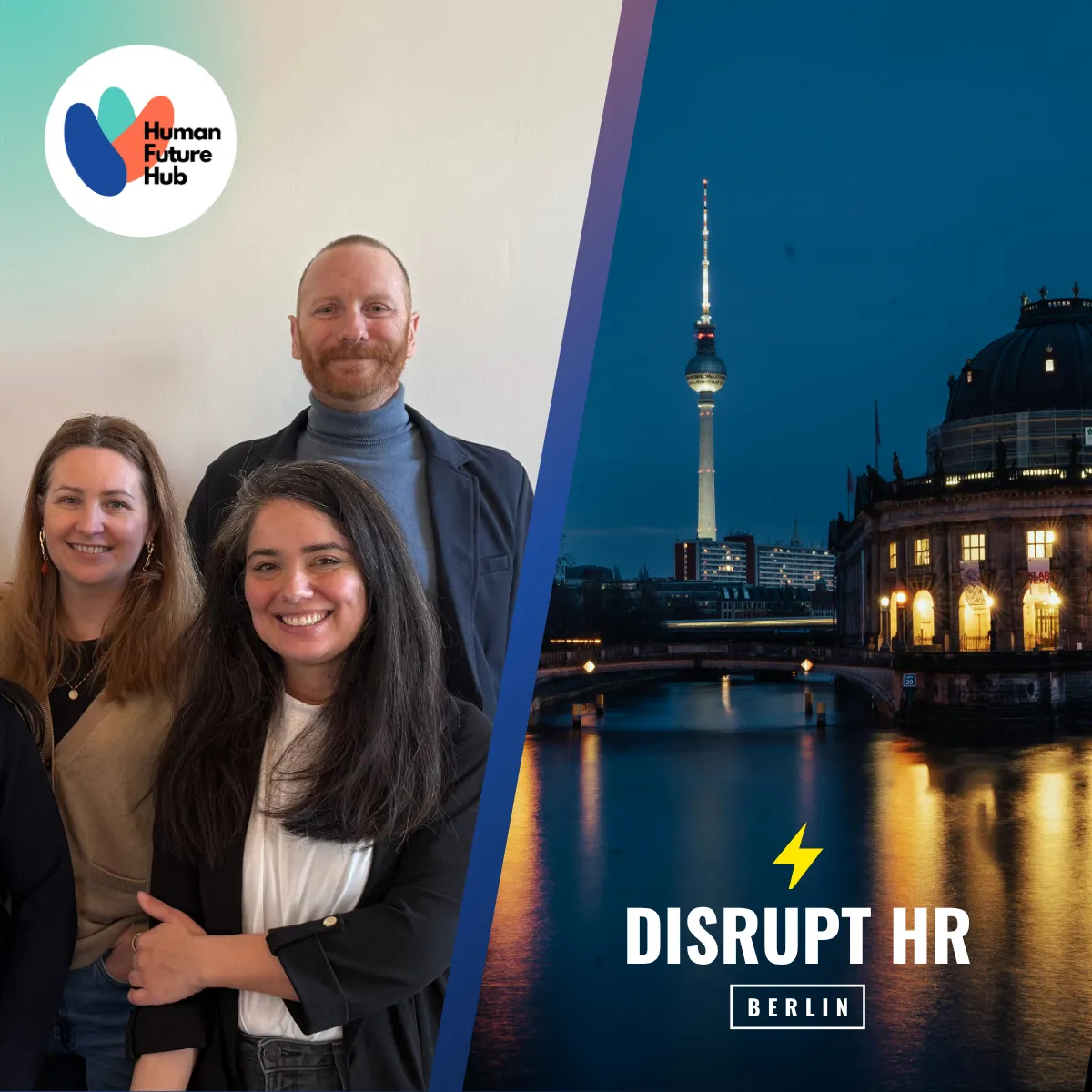
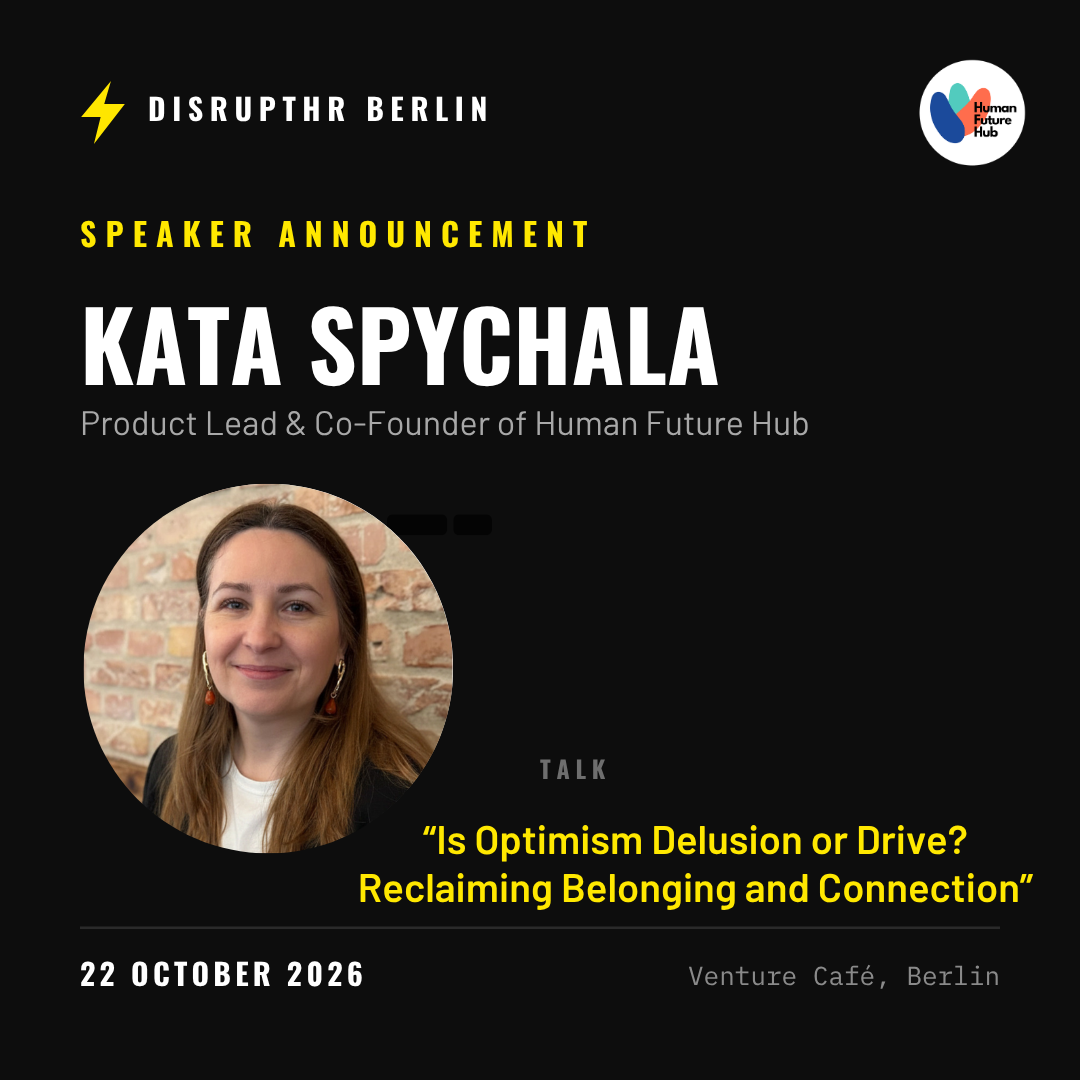
- Alongside the community work came a conference: DisruptHR Berlin. Human Future Hub co-organised it — project management, marketing and technical coordination — and I speak there on 22 October 2026 at Venture Café, Berlin. My talk: “Is Optimism Delusion or Drive? Reclaiming Belonging and Connection.”
Key decision
Commit to a consistent posting cadence instead of waiting for the perfect post. The cadence change did more for growth than any single piece of content: the first 100 followers took nine months, the next 150 took four weeks.
Results
- LinkedIn grew from 0 to 525 followers, averaging ~90 new followers a month since May 2026
- ~775 organic followers across 5 channels, with €0 paid spend
- HFH Digest: 11 weekly editions, 250 subscribers, views per edition up more than 50% since launch, ~65% average open rate on Substack
- 13 events (7 in person, 6 online) with ~95 attendances; 85% in-person show-up; 4.96/5 average rating across 38 ratings
- 3 partner organisations, with workshops of 10–15 participants for teachers, parents and migrant women
- ~80–100 hours a year of manual reporting automated
What I learned
- Consistency compounds. The cadence change did more for growth than any single post.
- Separate launch effects from real growth. Most newsletter subscribers joined in the first weeks; the honest metric is what happens afterwards.
- In person builds commitment. The gap between 85% and 64% show-up told us where to invest scarce volunteer time.
- Measure before you need to. The dashboard is what made the May inflection visible.
- Partners are a channel too. A trusted local organisation opens doors that no algorithm can.